


Content Marketing
Zeref Digital is a leading static website development company in Calicut. We develop creative and alluring static websites. The static websites are applicable for both small as well as huge websites. But it should be of simple designs and without composite programming. These are the best type of websites that helps businesses to describe their mission and objectives.
Define Your Goals and Objectives:
- Determine what you want to achieve with your content marketing efforts. Common goals include increasing website traffic, generating leads, boosting brand awareness, and improving customer retention.
Audience Research:
- Identify and understand your target audience. Create buyer personas to gain insights into their needs, preferences, pain points, and behaviors.
Keyword Research:
- Conduct keyword research to discover the topics and keywords your audience is searching for. Use tools like Google Keyword Planner or SEMrush to identify relevant keywords.
Content Strategy:
- Develop a content strategy that outlines your approach, including content types, topics, formats, and distribution channels. Define your unique value proposition and messaging.
Content Creation:
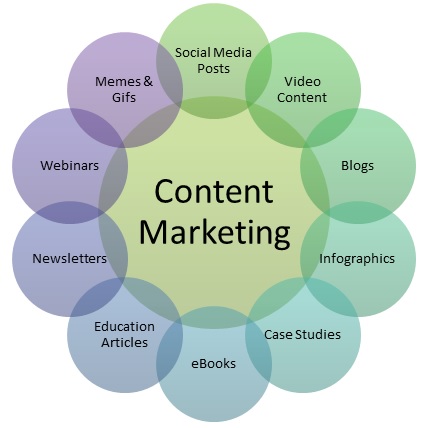
- Create high-quality content that aligns with your strategy. Content types may include blog posts, articles, videos, infographics, podcasts, webinars, eBooks, and more.
- Ensure that your content is well-researched, informative, and engaging. Use storytelling and visuals to capture your audience’s attention.
Content Optimization:
- Optimize your content for search engines (SEO) by incorporating relevant keywords, headers, and meta descriptions. Ensure your content is user-friendly and mobile-responsive.
- Consider on-page and technical SEO best practices to improve your content’s discoverability.
Content Distribution:
- Promote your content through various channels, including your website, blog, social media platforms, email newsletters, and content syndication.
- Leverage content distribution platforms like Medium, LinkedIn Publishing, and guest posting on industry websites to expand your reach.
Social Media Marketing:
- Share your content on social media platforms to engage with your audience and encourage sharing. Use social media advertising to amplify your content to a broader audience.
Email Marketing:
- Build an email subscriber list and send regular newsletters featuring your latest content, updates, and offers. Personalize email campaigns based on user preferences and behaviors.
Lead Generation:
- Implement lead generation forms, landing pages, and calls to action (CTAs) within your content to capture visitor information and convert them into leads.
Engagement and Community Building:
- Encourage user engagement by responding to comments, questions, and feedback on your content and social media channels.
- Foster a sense of community through user-generated content, forums, or discussion boards related to your niche.
Performance Tracking:
- Use analytics tools like Google Analytics, social media insights, and email marketing metrics to track the performance of your content. Monitor key performance indicators (KPIs) such as website traffic, conversion rates, and engagement metrics.
Iterate and Optimize:
- Continuously analyze your content marketing efforts and use the data to make informed decisions. Adjust your content strategy based on what works best for your audience.
Content Calendar:
- Create a content calendar to plan and organize your content production and distribution. Ensure consistency in publishing and align content with key events or seasons.
Content Promotion:
- Consider investing in content promotion through paid advertising on platforms like Google Ads, social media ads, and content discovery networks.
Content Repurposing:
- Maximize the value of your content by repurposing it into different formats. For example, turn a blog post into a video or an eBook into a series of social media posts.
Stay Updated:
- Stay informed about industry trends and shifts in consumer behavior to adapt your content strategy accordingly.
Effective content marketing requires dedication, consistency, and a commitment to providing value to your audience. Over time, it can help you build brand authority, foster customer loyalty, and achieve your business goals.